EN
EN
 AR
AR
 CS
CS
 DA
DA
 NL
NL
 FI
FI
 FR
FR
 DE
DE
 EL
EL
 HI
HI
 IT
IT
 JA
JA
 KO
KO
 NO
NO
 PL
PL
 PT
PT
 RU
RU
 ES
ES
 SV
SV
 ID
ID
 SK
SK
 SL
SL
 ET
ET
 TH
TH
 TR
TR
 MS
MS
 KA
KA
 UR
UR
 BN
BN
 MN
MN

How RFID Wristbands Are Simplifying Gym Membership Management
At a busy gym, membership management can break down in small but costly ways: a front-desk line forms at peak time, a lapsed membership is not noticed until after entry, or a member misplaces the card used for access. An rfid band for gym use gives staff a different operating model. Instead of treating a credential as a separate item a member must remember, the gym can connect a wrist-worn identifier to the membership record that already controls access.
The practical value is not the wristband alone. It is the workflow behind it: a member enrolls, the gym assigns a unique credential, the access system checks eligibility, and staff have a clear process for exceptions. This can make routine entry, locker-area access, and attendance records easier to manage while preserving the human help that members still need.
Why a wrist-worn credential fits the gym environment
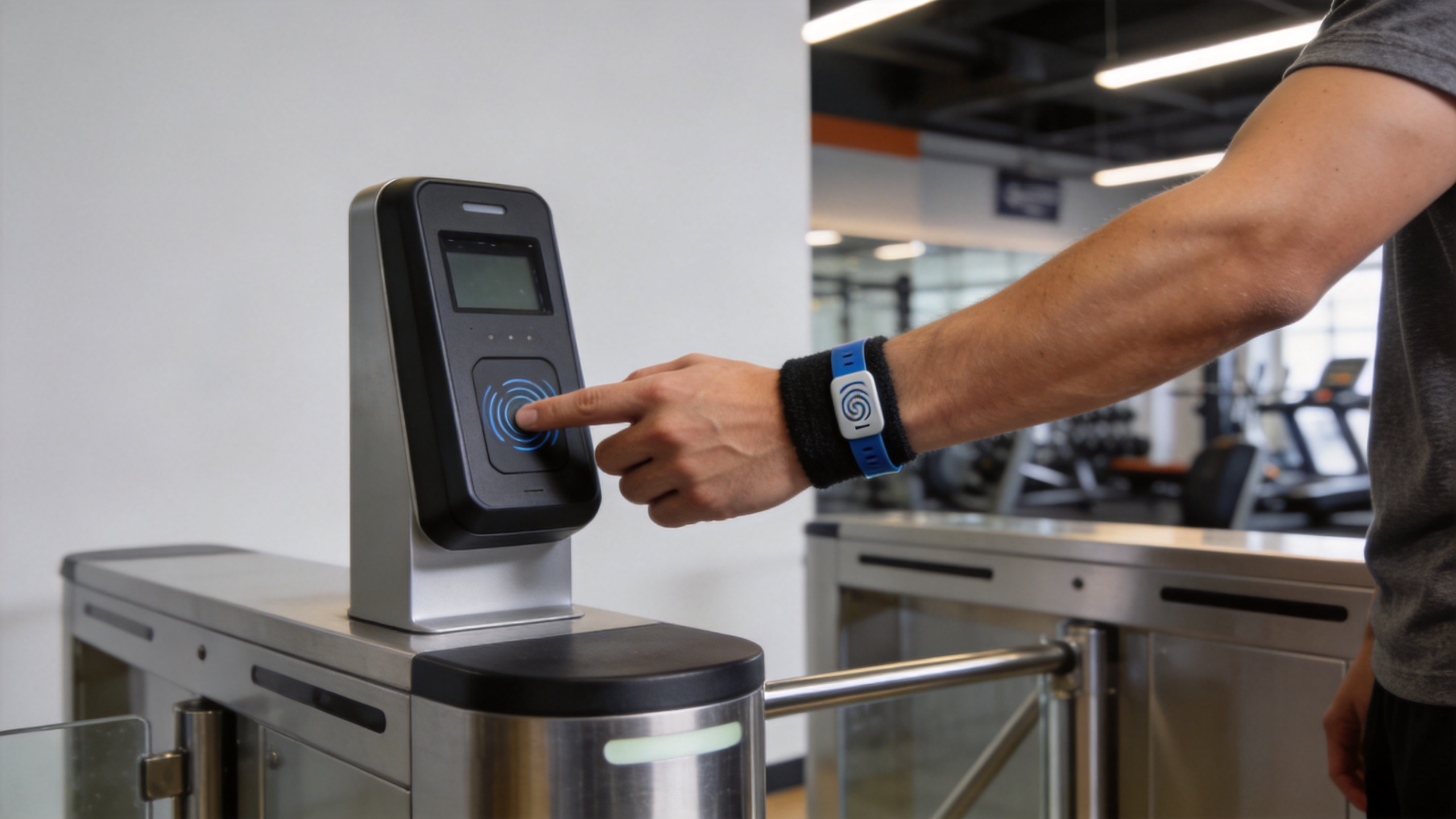
Cards, key tags, and app-based passes can all work. But a gym visit often involves a locker, a water bottle, a towel, and a workout—not necessarily a phone or wallet in hand. A reusable rfid band for gym deployment keeps the credential with the member from reception to the training floor. That hands-free convenience is particularly relevant for facilities with early-morning traffic, self-service hours, pools, or controlled studio spaces.
An elastic wristband for gym use can also improve the day-to-day experience when fit and durability are considered alongside chip compatibility. Comfort matters because a credential that members remove, lose, or find irritating does not solve an operations problem. However, material selection should follow the facility environment. Sweat, water exposure, cleaning routines, and the expected wear period all affect whether an elastic, silicone, PVC, or another format is appropriate.
How RFID supports the membership lifecycle
RFID is most useful when it is connected to the gym’s membership software rather than operated as a stand-alone door token. A typical lifecycle looks like this:
- Enrollment: Staff create or confirm the member record and assign a unique wristband identifier.
- Permission setup: The system applies the member’s access rules, such as location, opening hours, class privileges, or premium-zone eligibility.
- Check-in: A reader recognizes the credential and the software evaluates the current membership status before allowing entry.
- Updates: Renewals, freezes, plan changes, and cancellations update the access rules instead of requiring staff to manually chase credentials.
- Replacement: If a band is lost or damaged, staff deactivate the old identifier and issue a replacement through a documented process.
This is where an rfid band for gym program can reduce friction. Access-control systems are designed to regulate who may enter a facility and when. When the access layer is properly connected to membership status, a lapsed membership can be handled according to the gym’s policy without relying on a manual card check at every visit.
Start with compatibility, not the band design
It is tempting to begin with colors, logos, or a preferred material. The more important first question is whether the credential will work with the readers and software already installed. RFID systems use different frequency bands and chip technologies; an identifier that looks correct can still be unusable if its protocol does not match the gym’s reader infrastructure.
As an RFID systems engineer, I would confirm the reader model, supported frequency, credential format, and the integration method with the membership platform before approving a sample. Looking at a read-range claim on paper tells you little about a real check-in lane. Reader placement, member flow, band orientation, and software response all shape the experience at the door.
Ask the access-control provider these questions before an order:
- Which RFID frequency and chip families does the installed reader support?
- Does the system use only a UID, or does it require encoded data or secure sectors?
- Can staff deactivate and replace a lost credential immediately?
- Which access decisions are handled by the membership system, and which are handled locally by the reader?
- What is the test procedure for a small pilot before a full rollout?
Reducing front-desk workload without removing service
A well-planned rfid band for gym workflow can move routine verification away from the desk. That does not mean the desk becomes unnecessary. Instead, staff can spend less time scanning cards and more time resolving membership questions, welcoming new members, or helping with exceptions.
For example, a member whose account is frozen should receive a clear, respectful message and a path to speak with staff rather than an unexplained failed entry. Visitors and trial users need a separate credential rule. Members who arrive for a class outside their normal access window may require a deliberate override. These cases should be designed into the workflow before launch, not improvised during a rush.
The same principle applies to an elastic wristband for gym program. The band makes identification convenient, but the operating procedures make it dependable. Train the team on enrollment, replacement, lost-band deactivation, temporary access, and escalation. A short staff checklist is often more valuable than adding features that no one can support at the front desk.
Use attendance data carefully
RFID-enabled check-in can create useful operational signals, such as visit frequency and busy periods. Managers may use those signals to plan staffing, identify congestion, or understand whether a new class schedule is attracting traffic. But an access log is not automatically a complete picture of a member’s fitness activity or intent.
Privacy should be part of the design. NIST guidance on RFID security emphasizes protecting tag data and considering the privacy effects of identifier formats. For a gym, a sensible approach is to place only the minimum necessary identifier on the credential, keep member details in the protected membership system, limit staff access by role, and explain the policy clearly to members. The right answer depends on local law, the software architecture, and the data the gym actually needs.
A practical rollout plan
Rather than replacing every credential at once, begin with a controlled pilot. Choose one entrance or a group of willing members, verify reader compatibility, test check-in during a busy window, and document exceptions. Review the results with front-desk staff before expanding the program.
| Rollout stage | What to validate | Why it matters |
|---|---|---|
| System review | Reader, chip, and membership-platform compatibility | Prevents an attractive but unusable credential choice |
| Sample test | Read consistency, comfort, and fit in the facility environment | Finds material or setup issues before bulk issuance |
| Pilot | Peak-time check-in, staff workflow, replacement process | Tests real operational conditions |
| Member launch | Clear instructions and support path | Reduces confusion and unnecessary desk queues |
| Review | Access exceptions, lost-band rate, and member feedback | Improves the process instead of treating rollout as the endpoint |
The bottom line
An rfid band for gym can simplify membership management when it is treated as part of an integrated access process—not as a standalone gadget. Match the chip to the existing reader infrastructure, choose a format members can comfortably wear, connect access rules to membership status, and give staff clear exception procedures. With those fundamentals in place, an elastic wristband for gym option can help turn check-in from a repetitive administrative task into a smoother member experience.