EN
 AR
 CS
 DA
 NL
 FI
 FR
 DE
 EL
 HI
 IT
 JA
 KO
 NO
 PL
 PT
 RU
 ES
 SV
 ID
 SK
 SL
 ET
 TH
 TR
 MS
 KA
 UR
 BN
 MN

How NFC Wristbands for Events Help Organizers Collect Visitor Data Safely
NFC wristbands for events can make entry, session check-in, and cashless workflows easier to manage. But the useful part is not that a wristband “collects everything.” A well-designed system lets an organizer record a small, defined event interaction and connect it to attendee data only when there is a legitimate, clearly explained reason to do so.
From an event-operations perspective, the priority is simple: keep queues moving without turning every tap into an uncontrolled data grab. NFC wristbands for events can work well when the wristband is treated as a credential, the event platform is treated as the controlled data environment, and staff know exactly what each scan is for.
Start by separating the wristband from the visitor record
An NFC chip usually provides an identifier that a reader can recognize. By itself, that identifier is not automatically a complete visitor profile. The privacy risk rises when an event system links it to a name, email address, ticket category, spending history, location, or session attendance. That distinction gives organizers a useful design choice: NFC wristbands for events can support a lightweight access record without placing unnecessary personal information on the wristband itself.
For example, a gate reader may only need to answer “is this credential active for this entrance?” A session scanner may need a timestamp and session code. A marketing follow-up workflow is different: it may require contact details and a separate permission. Before comparing NFC wristbands for events, list the operational question each tap must answer. If a field does not answer that question, do not collect it.
Build a purpose map before encoding a single wristband
Data minimization is a practical operating rule, not merely a policy phrase. The European Commission describes it as keeping personal data adequate, relevant, and limited to what is necessary for the stated purpose. For NFC wristbands for events, turn that principle into a short purpose map:
- Entry control: active/invalid status, access zone, and scan time.
- Session attendance: opt-in attendance record, session ID, and time.
- Cashless use: the minimum account or token data required by the payment workflow, with the payment provider’s controls.
- Lead capture or marketing: a separate, clearly presented choice—not a hidden consequence of admission.
Ask yourself: would an attendee reasonably expect this scan to create this record? If the answer is unclear, improve the notice or remove the field. NFC wristbands for events should reduce friction for visitors, not make the data flow harder to explain.
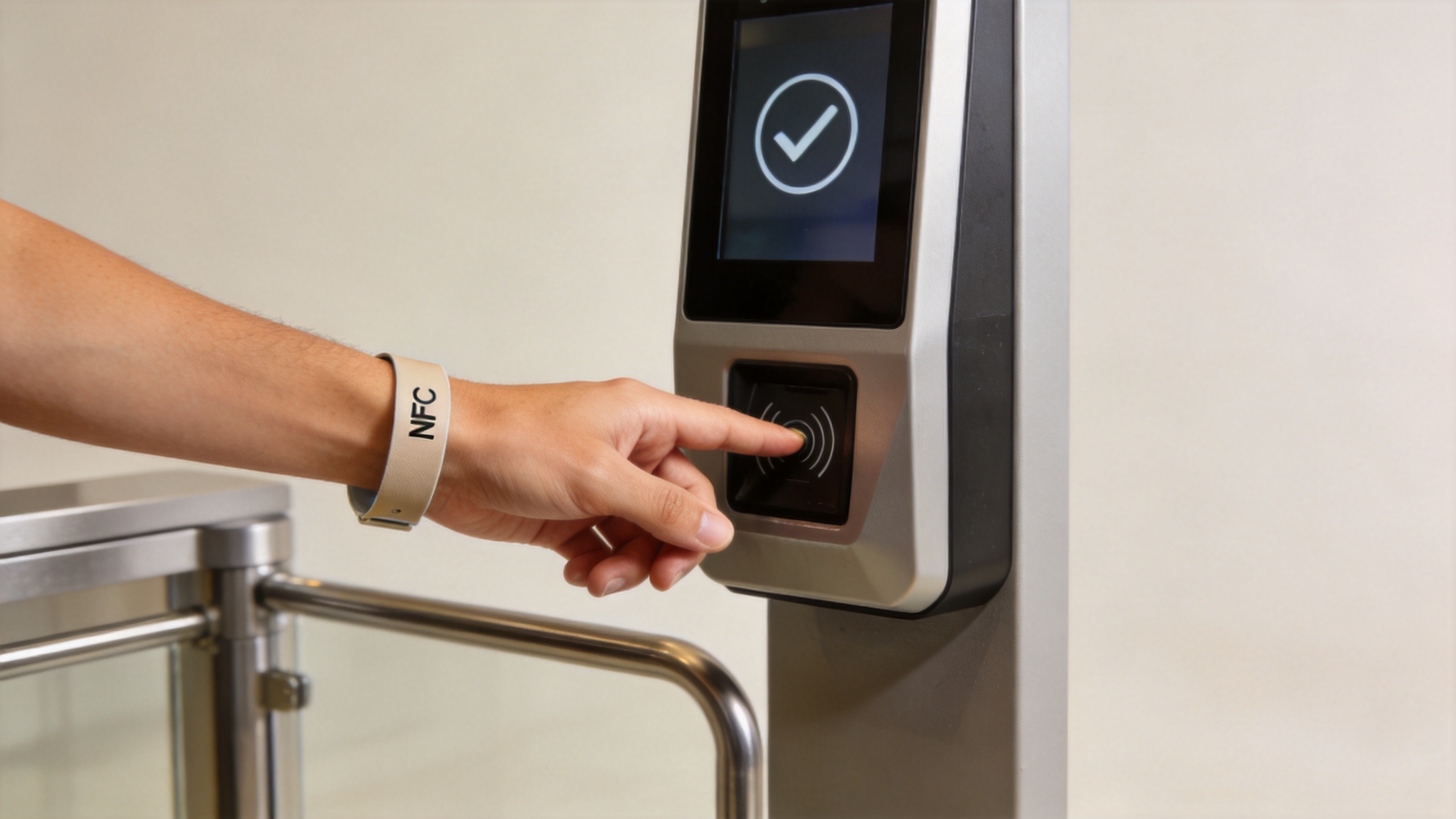
Make the visitor notice visible at the moment it matters
A registration-page privacy notice is important, but it is not the only moment to communicate. Place a plain-language explanation near registration, in the confirmation email, and at points where NFC wristbands for events are issued or used for a new purpose. Say what is recorded, why it is needed, who operates the system, and where attendees can ask questions or exercise applicable rights.
Do not bundle optional marketing consent into the credential itself. An attendee can need NFC wristbands for events to enter while choosing not to receive post-event messages. Giving people that distinction also gives the operations team cleaner, more trustworthy data.
Use an identifier design that limits exposure
A safer setup avoids printing sensitive personal details on the band and avoids storing a full profile directly on the chip. Instead, the reader can pass a wristband ID to the event platform, which looks up only the information needed for that scan. This approach also makes lost-band handling easier: staff can deactivate the old credential and issue another one without exposing the attendee’s record at the desk.
When procuring NFC wristbands for events, confirm the chip type and encoding plan before production. A wristband that looks right but uses an incompatible chip can create a gate problem; it can also tempt staff into improvised workarounds that weaken controls. A supplier that offers pre-encoding and a UID registry can support a more orderly import process, but the organizer should still verify what identifier format the event system expects and who approves the final data mapping.
Restrict access in the dashboard as carefully as access at the gate
The same credential can generate different event records, so not every staff member needs the same dashboard view. Give gate teams a simple accept/deny result. Give session staff only the attendance function they need. Reserve exports, account administration, and data corrections for named roles. For NFC wristbands for events, this role-based approach helps prevent a convenient operational tool from becoming a broadly accessible attendee database.
Before doors open, run a tabletop test: a wristband is lost, a volunteer requests an export, a scanner goes offline, and a visitor asks what a tap records. The goal is not perfection; it is to make sure staff have an approved response rather than inventing one under pressure.
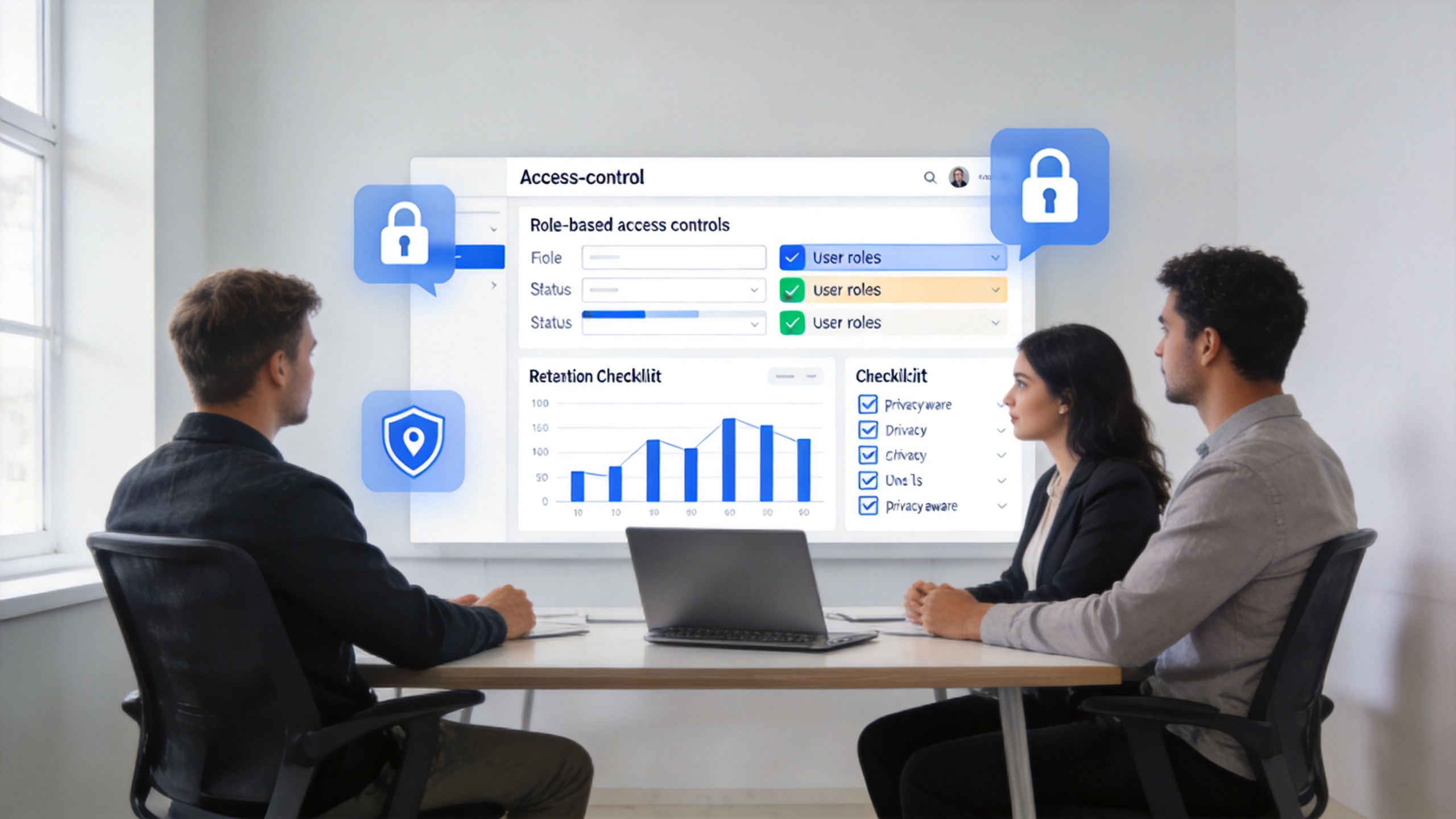
Decide what happens after the event
Collecting data safely includes deleting or de-identifying it safely. Set retention periods before the event, assign an owner for each dataset, and document what will be retained for finance, security, analytics, or attendee service. If aggregate attendance reporting is enough after the event, remove the direct link between the record and the person where appropriate.
The NIST Privacy Framework is a voluntary risk-management tool, and its mindset is useful here: identify the data action, govern it, communicate it, and protect it. For NFC wristbands for events, a post-event review should cover unused credentials, scanner logs, exports, support requests, and any vendor access that must end.
A practical pre-event checklist
- Write one purpose for every scan point.
- Collect only the fields required for that purpose.
- Keep personal information off the wristband where possible.
- Use clear notices and a separate choice for optional marketing.
- Limit dashboards and exports by job role.
- Test replacement, revocation, and visitor-question workflows.
- Set retention, deletion, and vendor-access deadlines before launch.
RFID wrist bands and NFC credentials can give an event team better operational visibility, but better visibility should come with tighter discipline. When NFC wristbands for events are configured around a specific purpose, a minimal identifier, transparent communication, and controlled access, organizers gain useful visitor insight while respecting the people behind the data. Privacy requirements vary by location and event context, so confirm the final workflow with qualified privacy and legal advisers.