EN
 AR
 CS
 DA
 NL
 FI
 FR
 DE
 EL
 HI
 IT
 JA
 KO
 NO
 PL
 PT
 RU
 ES
 SV
 ID
 SK
 SL
 ET
 TH
 TR
 MS
 KA
 UR
 BN
 MN

How Silicone Custom RFID Wristbands Resist Friction-And-Sweep-Caused Surface Damage
At a pool gate, a gym desk, or a multi-day festival, a wristband rarely stays still. It brushes railings, slides under a reader, rubs against clothing, and is pushed across counters with a stack of towels or passes. For that reason, buyers of silicone custom rfid wristbands should separate three questions: will the silicone body stay comfortable, will the visible decoration remain legible, and will the RFID function remain dependable? These questions overlap, but they are not the same test.
As an OEM/ODM manufacturing consultant, I would not describe a band as “durable” until the intended wear pattern is clear. Silicone custom rfid wristbands can be an appropriate choice for repeated-use credentials because silicone flexes rather than behaving like a brittle printed card. Still, surface appearance is governed by material formulation, molding, decoration method, artwork placement, and the way people actually handle the band.
What “friction-and-sweep” damage looks like in service
Friction is the repeated rubbing of a band against skin, sleeves, bags, turnstiles, desk edges, and nearby wristbands. A sweep is a broader sliding motion: an attendee drags a wrist across a counter, a staff member gathers bands into a pile, or a cleaner moves a cloth over a wrist still in use. For silicone custom rfid wristbands, those motions usually show up first as dulling, scuff marks, ink thinning, or grime collecting around artwork.not as a sudden loss of the whole band.
The important distinction is that a scuffed logo does not automatically mean an RFID failure. The transponder is embedded within the band construction, while artwork sits at or near the outer surface. Conversely, a band can still look clean while an inappropriate chip choice, encoding process, or reader setup creates a scan issue. A useful specification treats surface, structure, and RFID performance as separate acceptance points.
Why silicone helps.but does not make every finish abrasion-proof
Silicone has a flexible, rubber-like feel that helps silicone custom rfid wristbands conform to everyday wrist movement. Instead of requiring the user to protect a rigid credential, the band moves with the wrist. That flexibility can reduce concentrated stress during ordinary bending and pulling. For wet locations, waterproof custom rfid wristbands are often considered because the wearer may encounter sweat, splashes, pools, showers, or cleaning routines.
Water exposure and abrasion exposure are different. A band that is suitable for a wet-use environment may still lose sharp surface graphics if its decoration repeatedly meets rough surfaces. Likewise, “100% silicone” alone does not define the pigment system, ink adhesion, molding quality, color contrast, or inspection standard. Ask what part of the product is expected to resist rubbing: the molded color, the printed logo, the code, or all of them.
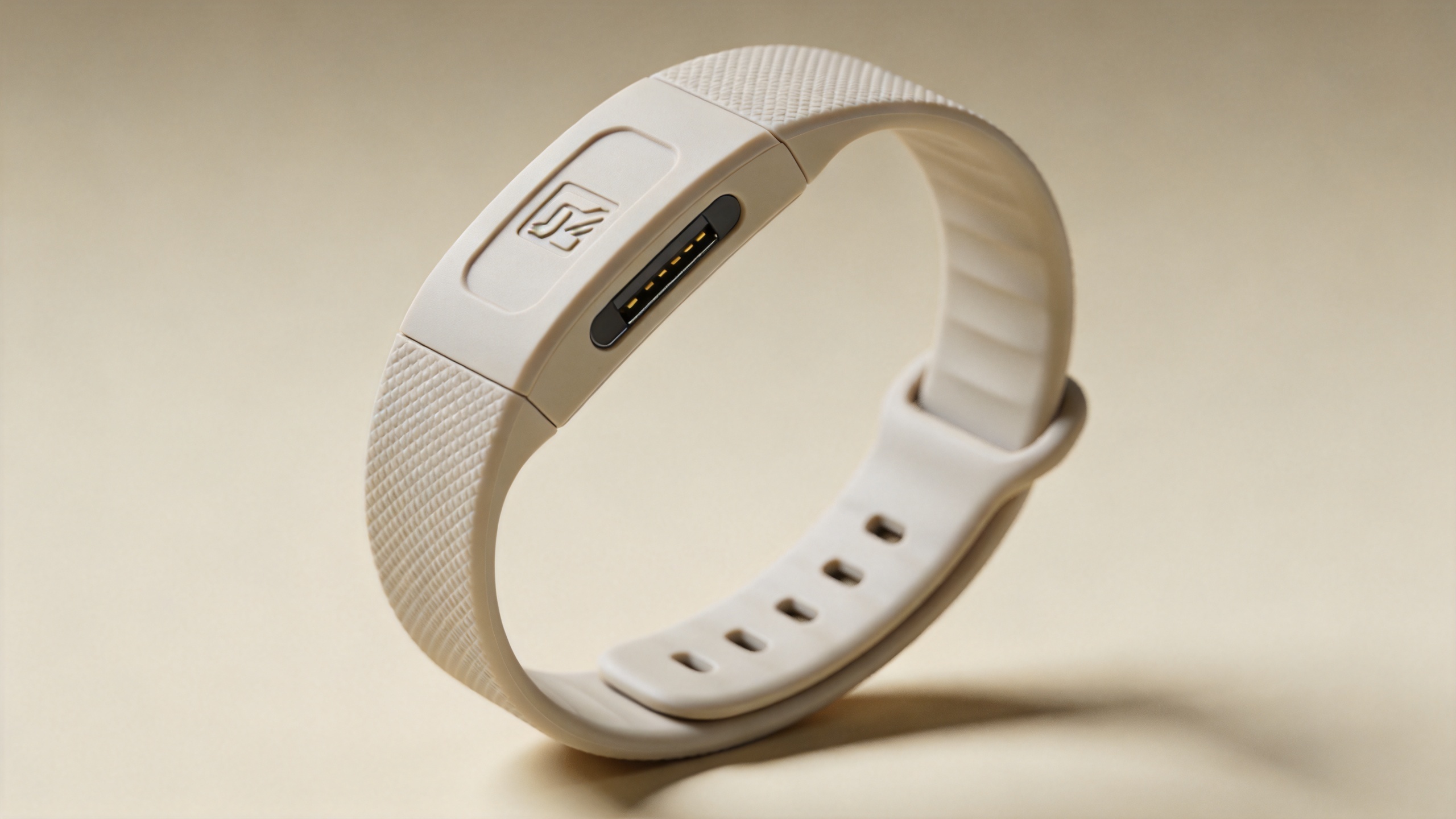
Decoration geometry is the practical first line of defense
For silicone custom rfid wristbands, the most exposed feature is often a high-contact print on the outside circumference. A recessed, debossed mark moves some visual detail below the immediate rubbing plane. When ink-fill is used inside that recess, the surrounding silicone can offer the artwork some protection from a flat swipe across a desk. This is a design advantage, not a blanket promise: deep crevices can also retain dirt, and fine artwork may need a different treatment.
Raised embossing makes branding tactile and can be useful when visibility matters without relying entirely on ink. Surface printing may be suitable for short events or detailed color artwork, but it deserves a more deliberate review when the credential will be worn for days. For silicone custom rfid wristbands, simplify small type, avoid placing critical fine lines on the highest-contact zone, and confirm the actual decoration method on a production sample.
Place the logo with the wearer’s movements in mind
A design file can look excellent when flat and still perform poorly on a moving wrist. Map where the band touches a desktop when the hand is relaxed, where it catches under a sleeve, and where it is handled at a gate. With silicone custom rfid wristbands, important identifiers should not depend on a tiny printed detail that sits exactly on a recurring contact path. Leave sensible clearance around the embedded inlay area as well; an artwork approval should respect the production template rather than fight it.
Build a surface-durability brief before approving production
Rather than asking for a vague “scratch-resistant” band, give the supplier a deployment brief. The following checklist turns the need for silicone custom rfid wristbands into reviewable details:
- Wear duration: one entry session, several festival days, or ongoing member access.
- Contact conditions: dry counters, sand, cleaning cloths, lockers, gym equipment, or poolside use.
- Decoration priority: permanent identification, brand visibility, variable numbering, or a short-lived campaign graphic.
- Material and finish: molded color, debossed detail, ink-filled recesses, embossed detail, or surface print.
- RFID acceptance: chip type, encoding format, reader distance, and a scan check after the handling trial.
That brief also keeps waterproof custom rfid wristbands from being specified only by environment. A waterpark band may need a comfortable soft edge and stable scan behavior after wet handling; a gym credential may face more repetitive rubbing against machines and counters. The right choice follows the contact pattern, not just the location label.
Use a sample trial that resembles the actual sweep pattern
A sample is more useful when it is tested like a credential, not admired like a promotional giveaway. Put a small set of silicone custom rfid wristbands through the motions that matter: repeated flexing, rubbing against representative fabrics, sliding across a clean counter surface, normal hand washing or wet handling where relevant, and scans before and after the trial. Photograph the same logo area before and after. This does not replace a formal laboratory method, but it exposes mismatches between an attractive finish and a real handling routine.
Define pass/fail criteria in advance. For example, decide whether minor cosmetic scuffs are acceptable, whether a logo must remain readable at arm’s length, whether variable text must stay legible, and whether every tested band must scan. For silicone custom rfid wristbands, written criteria prevent the familiar problem of discovering after shipment that “event-grade” meant different things to the buyer and supplier.
Protect the RFID function while protecting the appearance
Appearance is easy to judge first, but silicone custom rfid wristbands also have to work as credentials in the reader ecosystem. Confirm the required frequency and chip family, whether unique IDs or pre-encoding are needed, and how the wristband will be presented to the reader. A cleanly molded band does not compensate for a mismatched system requirement.
During design review, ask for the chip-inlay exclusion area and keep heavy visual detail out of that controlled zone. During pre-shipment review, combine visual inspection with a scan sample. This balanced approach is especially helpful for waterproof custom rfid wristbands, where wet hands, crowd flow, and repeated credential presentation can make a small design oversight more visible.
A decision rule for durable custom wristbands
Choose silicone custom rfid wristbands when flexibility, reuse, and a comfortable wearable format suit the application. Then choose the decoration strategy according to the expected contact pattern: recessed or molded detail for high-rub identifiers, carefully protected print for artwork that needs it, and a realistic sample trial for any critical visual requirement. Do not treat waterproof use, attractive color, and surface-abrasion resistance as interchangeable claims.
The practical takeaway is simple: silicone custom rfid wristbands are more likely to withstand friction-and-sweep-caused surface damage when the construction and graphic are specified together. A clear wear brief, a production-template-aware design, and post-trial RFID scans provide a much stronger basis for approval than a generic durability label.